Industrial robotics · Buenos Aires
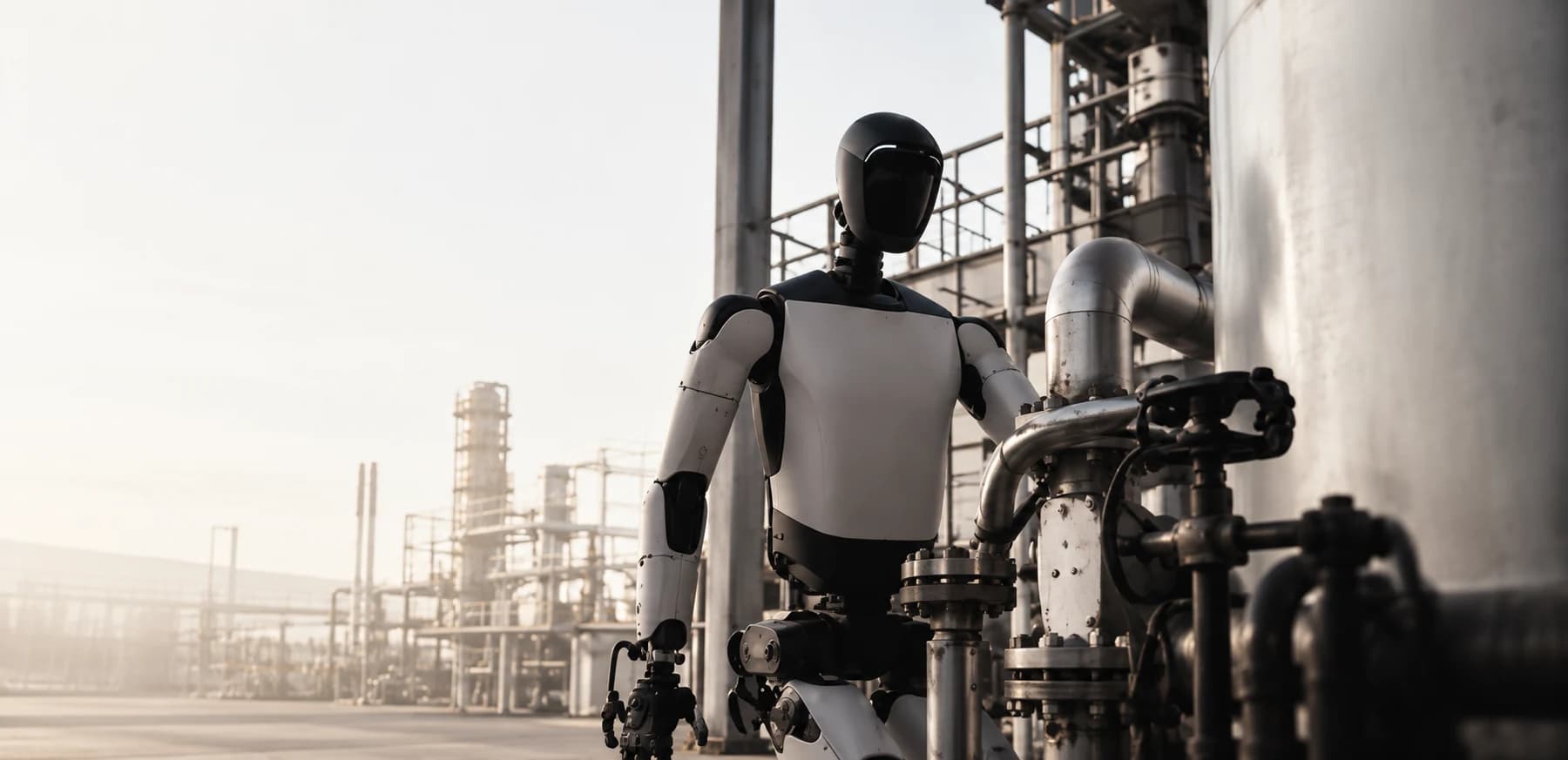
Robots that work where people shouldn’t have to.
GEMM builds the software layer that enables robots to perceive, map and operate in complex industrial environments.
What we do01
We turn robots into industrial operators.
Commercial robots are increasingly capable. But operating reliably in the real world requires much more than hardware.
GEMM connects perception, mapping, control and progressive autonomy into one system designed around real industrial constraints.
- 01Perceive
- 02Understand
- 03Navigate
- 04Operate
How it works02
From data to real-world action.
One software layer connects what a robot senses to what an industrial team needs it to do.
Perceive
Multi-sensor acquisition on the physical G1 platform.
Physically validated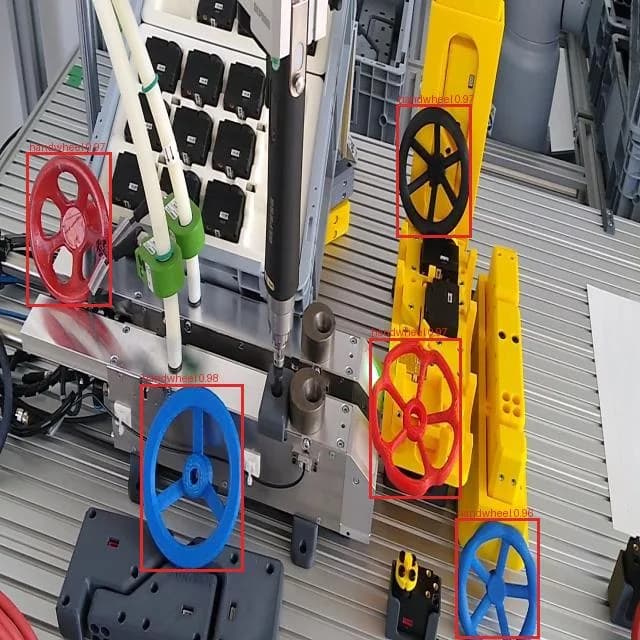
Understand
Object detection and gauge-reading modules under integrated validation.
Prototype
Navigate
3D and 2D mapping are live; A-to-B navigation is validated in simulation.
Validated in simulation
Operate
VR hand and arm teleoperation works on G1; valve manipulation is next.
Validated + in development
Applications03
What would you stop sending people to do?
GEMM is being built for repetitive, remote and hazardous work—so industrial teams can focus people where judgment matters most.
Discuss an application
Routine inspection
Repeatable rounds and consistent data capture across facilities.
In development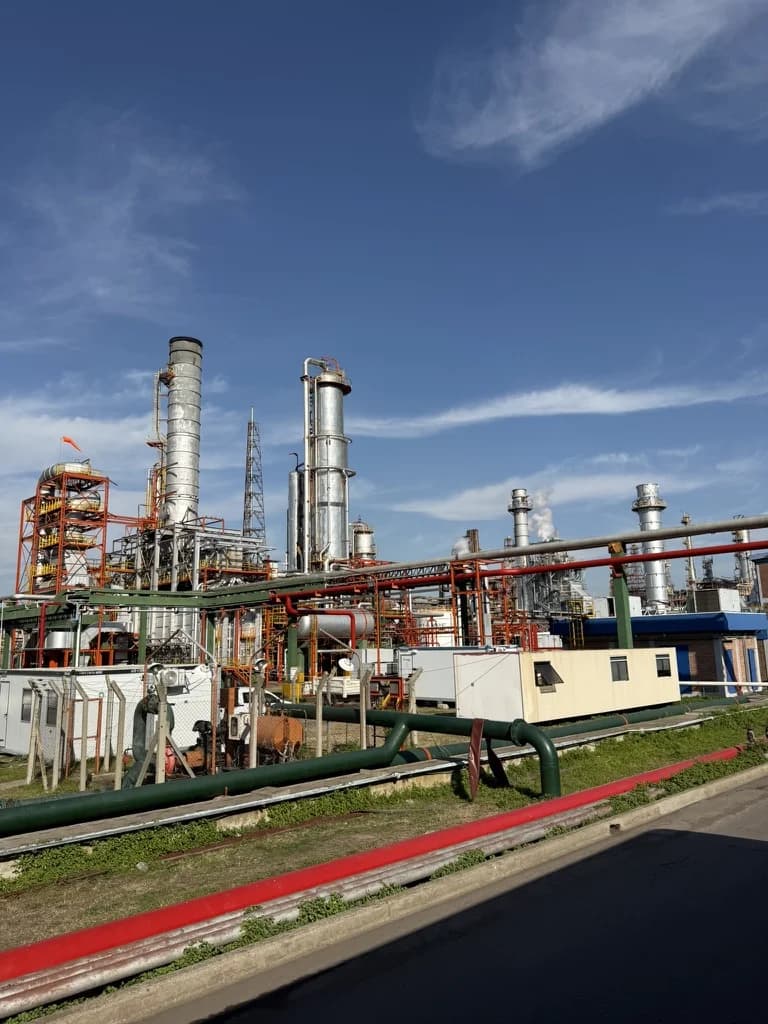
Hazardous environments
Reduce potential exposure to heat, gases, machinery and remote areas.
Architecture direction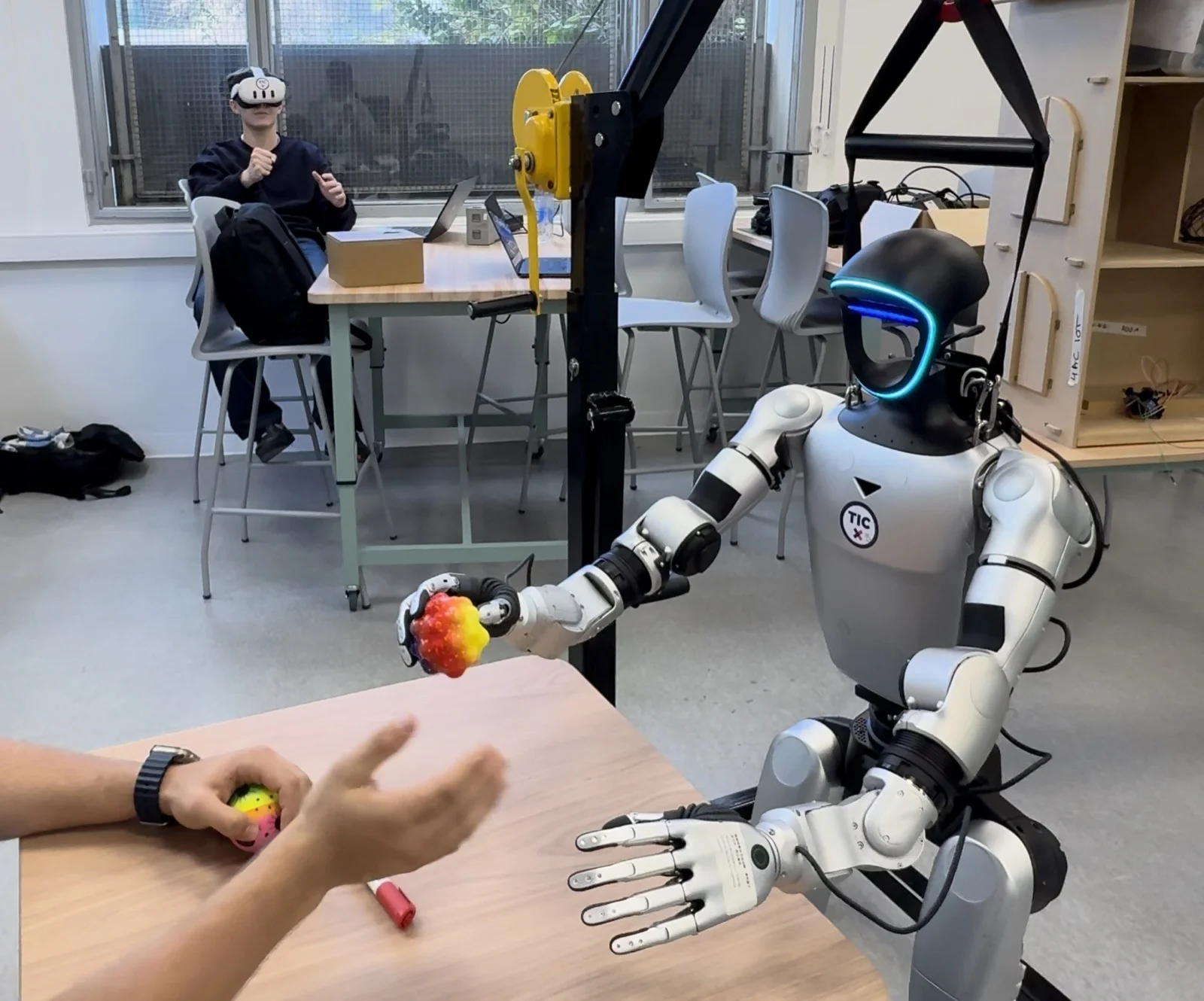
Remote operation
Operate the robot from a safer location when human judgment is needed.
Physically validated
Industrial manipulation
Work toward interacting with valves, controls and human-built equipment.
In development
Building toward
- Thermal inspection
- Gas detection
- Acoustic monitoring
- 3D mapping
- Emergency assessment
 Physical teleoperation validated
Human in the loop04
Autonomy where it works. Humans where they matter.
GEMM’s VR interface already enables low-latency hand and arm teleoperation on the physical G1. We use human control where judgment is essential while advancing toward higher levels of autonomy.
Discuss remote operationHardware agnostic05
The intelligence isn’t the robot.
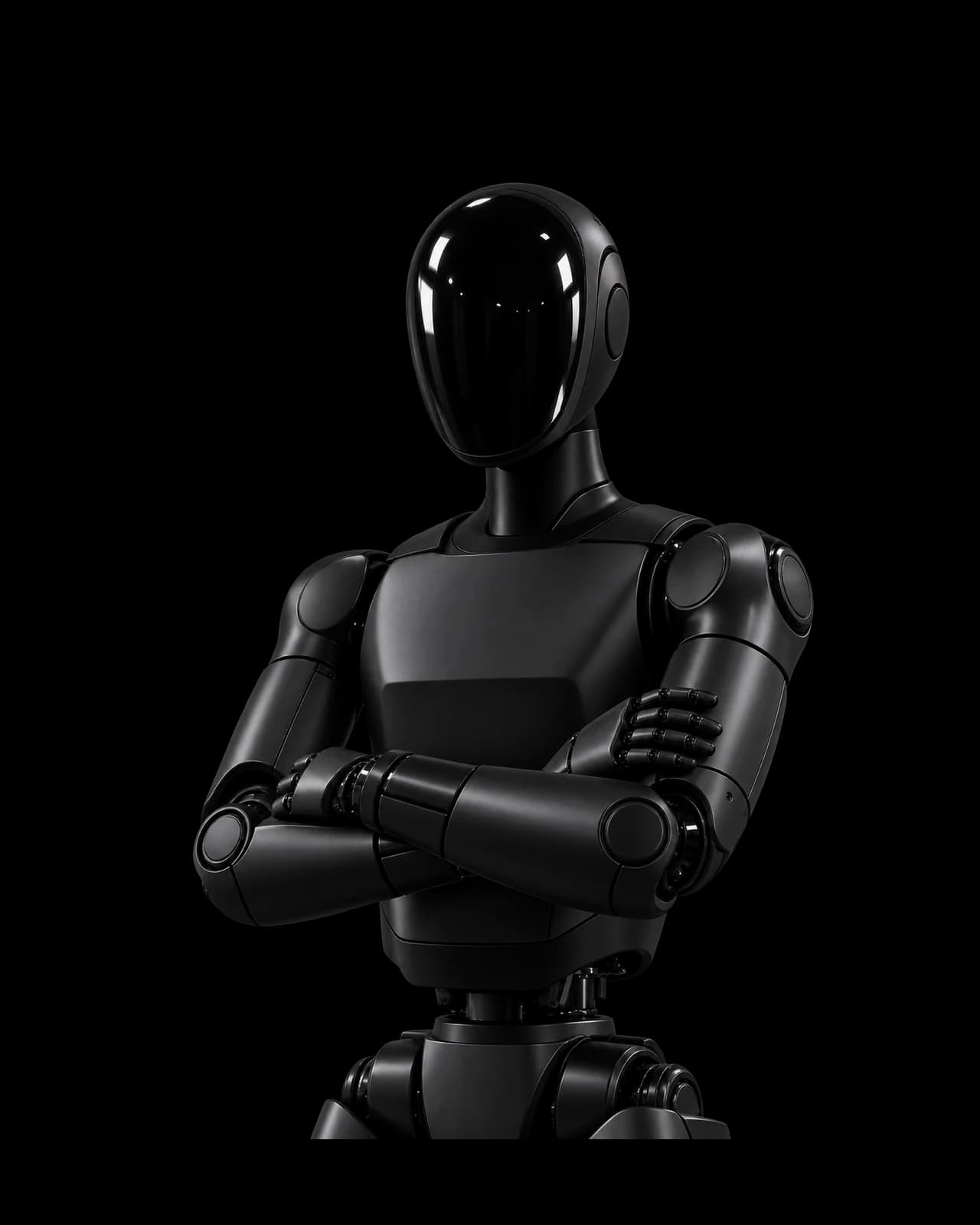
GEMM is designed as a software layer around commercially available robotic platforms, so hardware can be selected for the environment instead of locking the system to one machine.
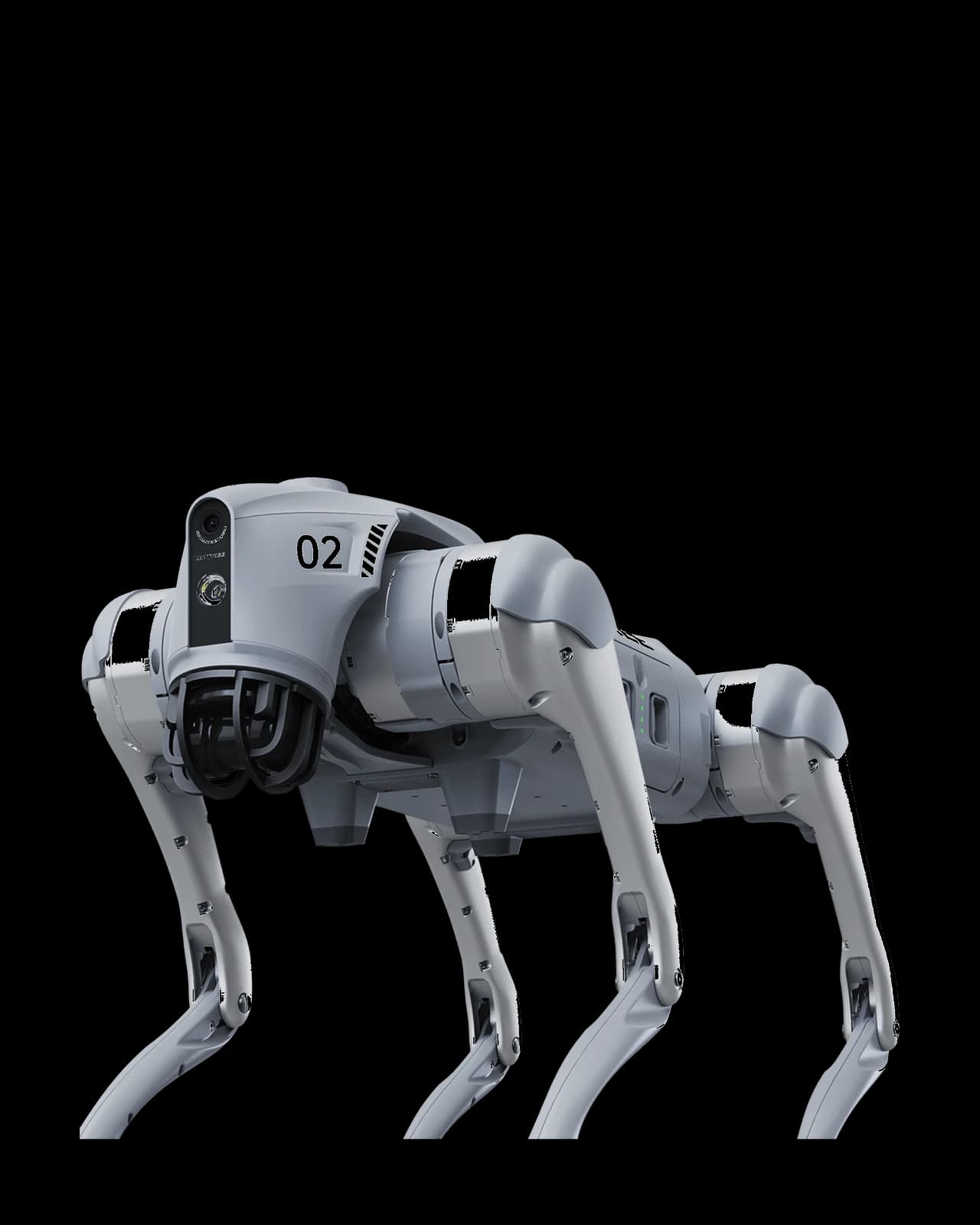
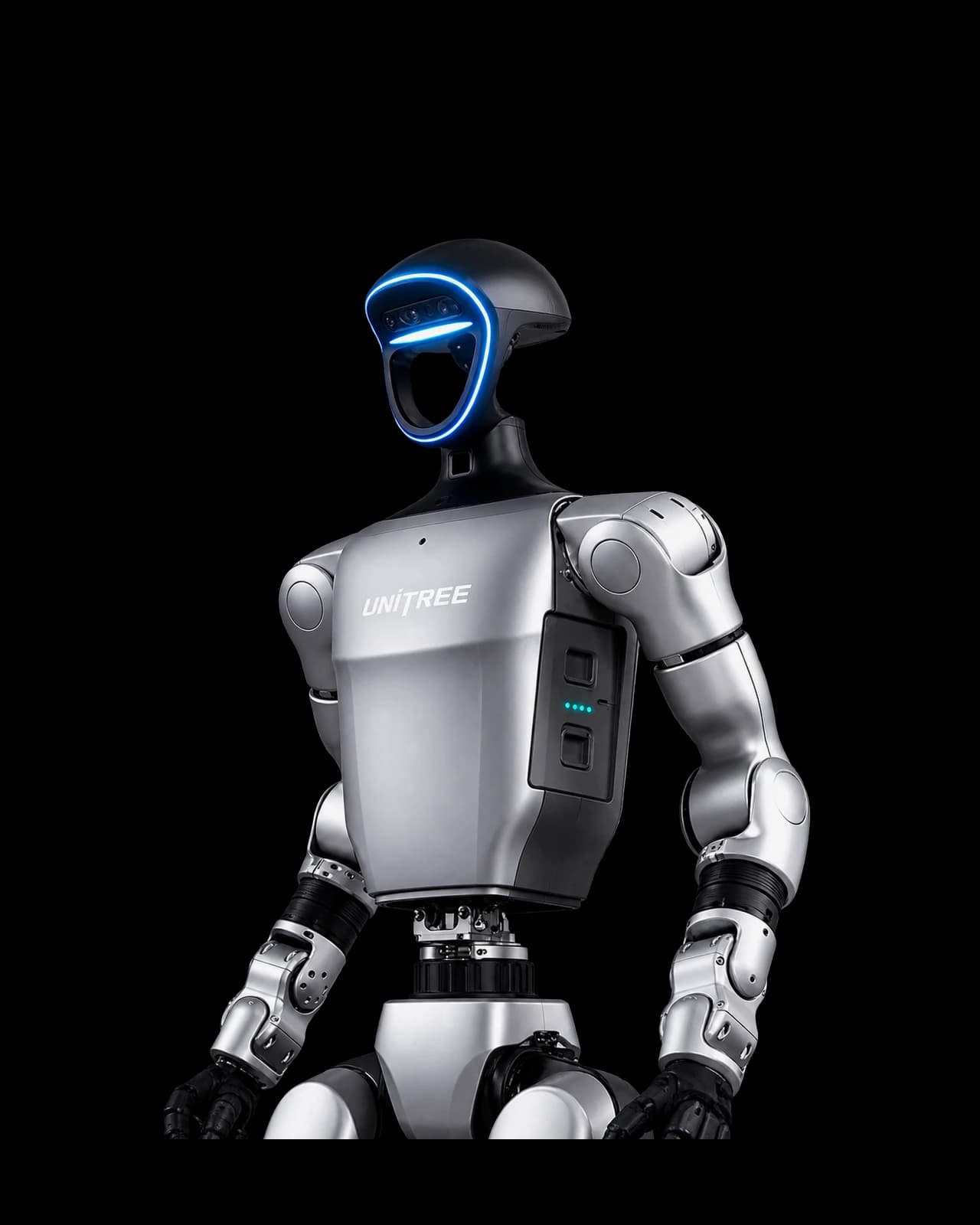
Today’s development platforms are Unitree Go2 and G1 EDU. Portability beyond them is an architectural direction, not yet a commercial compatibility claim.
- Go2Quadruped
- G1 EDUHumanoid
- What’s next?Many platforms, one intelligence
Our vision06
A safer, more efficient industrial world.
We’re building the foundation for a future where robots can inspect, monitor and operate in demanding environments—with people always in control of what matters.
- Remote operation01 · Physically validated
- Mapping & perception02 · Physically validated
- Autonomous navigation03 · Validated in simulation
- Autonomous inspection04 · In development
- Physical interaction05 · In development
- Industrial autonomy06 · Architecture direction
The team08
A bigger tomorrow.
GEMM started with four students determined to push the limits of what’s possible with robotics. Today, we’re building technology that can make industrial work safer, more efficient and more human.





Let’s build together09
Have a task in mind?
Tell us what you’d rather have a robot do.
We’re looking to work with industrial teams on real environments, real constraints and real problems.
Talk to us